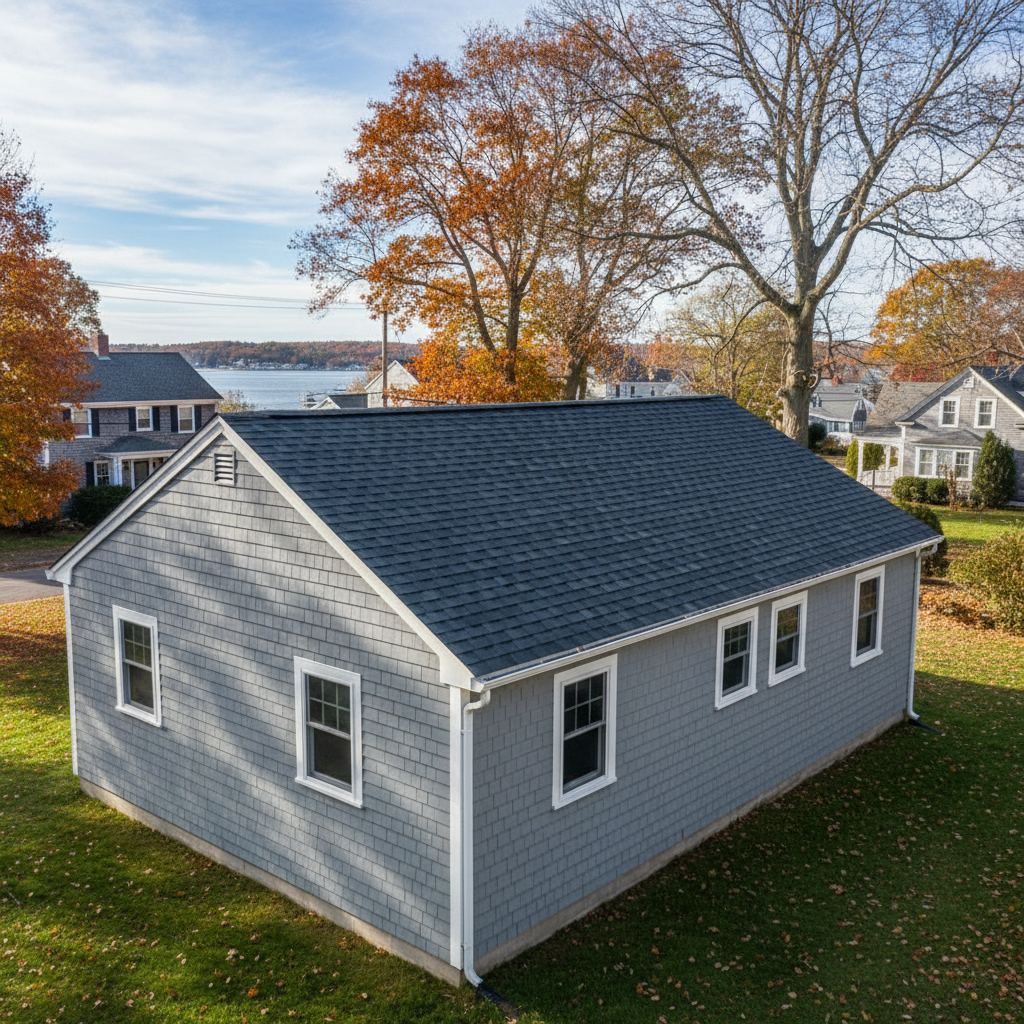
So, you're building a new house right here in Bristol. Pretty exciting, isn't it? But let's talk about one of those big-ticket items that often gets overlooked: the roof. It's way more than just picking out a shingle color; it's a crucial system that protects your entire investment. And, naturally, you want to get it right the first time, hopefully without emptying your wallet.
People ask me all the time, "What's a new roof going to cost me?" It's never a simple answer, but I can certainly give you some solid numbers and explain what makes those prices jump up or down. We're talking about new construction here, so some factors are a little different than if you were just replacing an old roof.
What Makes Roofing Prices Go Up or Down?
A few key things really drive the final cost of your roofing project. Understanding these will definitely help you make smarter choices.
- Roof Size and Complexity: This is probably the biggest factor, no surprise there. A simple gable roof on a 1,500 sq ft ranch is going to be much cheaper than, say, a 3,000 sq ft colonial with multiple dormers, valleys, and hips. More square footage means more materials and, yep, more labor. All those extra angles and cuts? They mean more time and skill are needed. We measure roofs in "squares," which is 100 square feet. A typical new home around here might need anywhere from 20 to 50 squares of roofing.
- Material Choice: Here's where you have a lot of say. Asphalt shingles are the most common and, generally, the most affordable. You've got your basic 3-tab, then architectural (or dimensional), and finally premium designer shingles. Architectural shingles are by far the most popular in Bristol; they offer a great mix of good looks and durability. Beyond asphalt, you could consider metal, cedar shakes, or even slate, but those options jump up significantly in price.
- Underlayment and Ventilation: Don't skimp here, seriously. A good synthetic underlayment gives you an extra layer of protection against water, which is a big deal with our Nor'easters. Proper ventilation (ridge vents, soffit vents) is vital for making your roof last longer and stopping ice dams, which are a real headache around here, especially in spots like Poppasquash Point where that wind just whips off the bay. Better ventilation means more material and a bit more labor, but it's worth it.
- Pitch (Steepness) of the Roof: A very steep roof needs more safety gear, specialized equipment, and just takes longer to install. This definitely adds to labor costs.
- Flashing and Penetrations: Every chimney, skylight, vent pipe, and wall junction needs proper flashing. The more of these you have, the more intricate the work gets, and the higher the cost.
Typical Cost Ranges for New Construction Roofing in Bristol, RI
Alright, let's get down to some actual numbers. For new construction, you're generally looking at costs per square (100 sq ft) instead of one flat rate for the whole house. This makes comparing bids much easier.
For a standard architectural asphalt shingle roof, which is what most new builds around here go with, you can expect to pay roughly $450 to $750 per square. This price usually covers:
- High-quality architectural shingles (with a 25-30 year warranty)
- Synthetic underlayment
- Ice and water shield in critical spots (eaves, valleys)
- New drip edge and flashing
- Ridge vents and proper attic ventilation
- All necessary fasteners and sealants
- Labor for installation
- Permit fees (sometimes, but always double check)
- Waste disposal
So, for a 25-square roof (which is a pretty good size for a 2,000-2,500 sq ft home with a moderately complex roofline), you're looking at a total cost of approximately $11,250 to $18,750. A larger, more complex 40-square roof could easily run you anywhere from $18,000 to $30,000.
If you choose premium designer asphalt shingles, plan to add another $100-$200 per square. Metal roofing can range from $800-$1,500+ per square, depending on the type – standing seam is usually pricier than corrugated. Cedar shakes are even higher, often $1,200-$2,000+ per square.
What Should Be Included in Your Quote?
When you get a quote from a local contractor like Heritage Roofing & Siding, make sure it's thorough. You really don't want any surprises popping up later. A good quote should clearly lay out:
- Total squares of roofing.
- Type and brand of shingles: Specific manufacturer, product line, and even the color.
- Underlayment type: Synthetic is definitely preferred.
- Ice and water shield coverage: Exactly where it will be applied.
- Ventilation plan: How many linear feet of ridge vent, what kind of soffit vents, and so on.
- Flashing details: New flashing for all penetrations, naturally.
- Warranty information: Both material and labor warranties.
- Permit costs: Who's responsible for pulling and paying for the permit.
- Cleanup and debris removal: This should always be part of the deal.
- Payment schedule: Clear milestones for payments.
How to Avoid Overpaying
It's your hard-earned money, so be smart about it. Here are my best tips:
- Get Multiple Quotes: Always get at least three detailed quotes from reputable, local contractors. This helps you compare apples to apples, right?
- Don't Just Go for the Lowest Bid: The cheapest quote often means someone's cutting corners somewhere. Materials, labor, insurance – something's probably missing or just not up to snuff. A roof isn't where you want to save a few bucks only to pay for it tenfold down the road.
- Check References and Reviews: See what other homeowners in Bristol have to say about the contractors you're thinking about hiring.
- Verify Insurance: Make absolutely sure they have proper liability and workers' compensation insurance. If they don't, you could be on the hook if someone gets hurt on your property.
- Ask About Warranties: A good contractor will offer a solid labor warranty in addition to the manufacturer's material warranty.
- Understand the Contract: Read every single line. If something doesn't make sense, ask. Don't sign anything until you're completely clear on what's being provided and for how much.
A new roof is a big investment, no doubt, but it's one that really pays off in protection and, well, just plain peace of mind. Do your homework, ask the right questions, and pick a contractor you trust. It'll save you a ton of headaches later on.