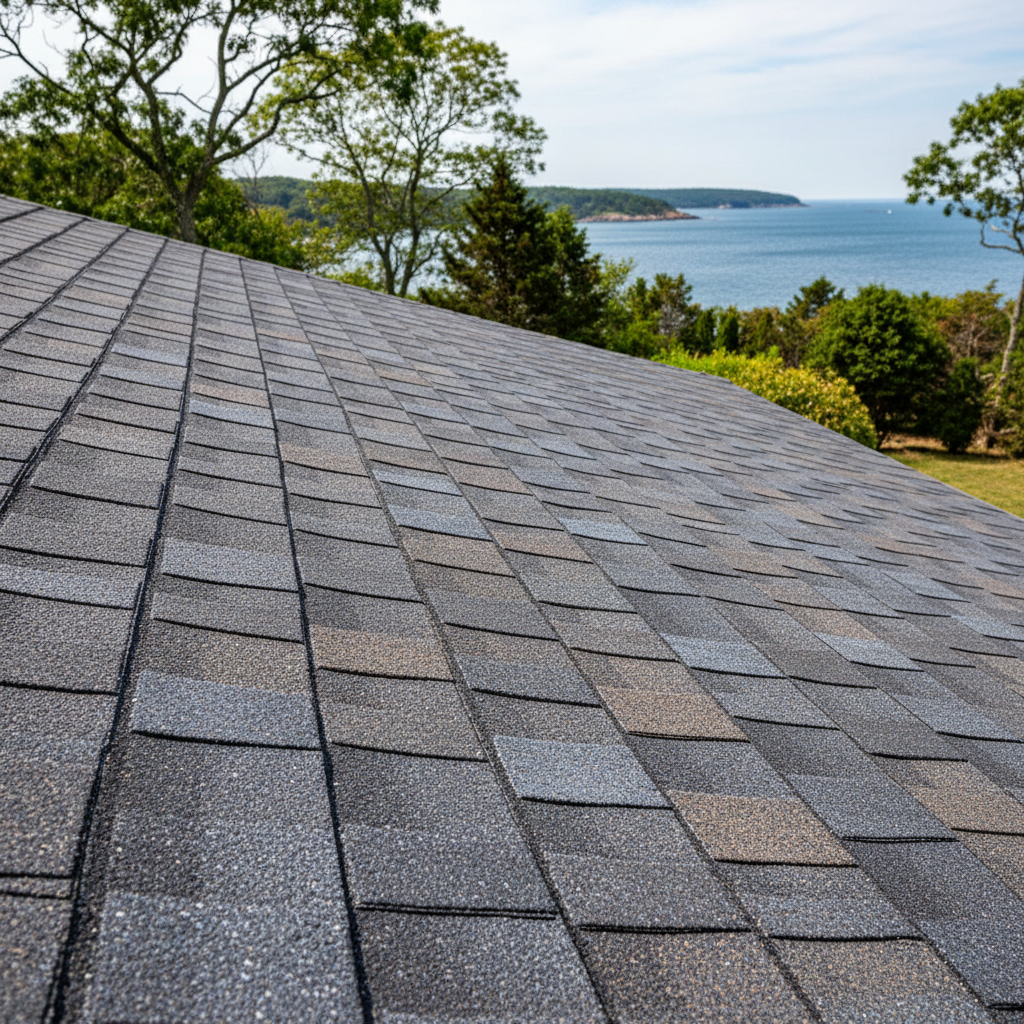
Thinking New Roof? Here's What You Need to Know.
So, you're looking at your roof and thinking it might be time for a change. Maybe you've got some missing shingles, or you're just tired of looking at that old, faded asphalt. A new roof is a big deal, no doubt about it. It's a major investment in your home, protecting everything under it. But it doesn't have to be a mystery. As a local contractor, I've seen a lot of roofs go on and come off around Bristol, from the historic homes in the town center to the newer builds out by Colt State Park. Let's talk about what you, as a homeowner, really need to know.
Before the Shingles Fly: Planning Your Project
This is where you can do a lot of legwork yourself, and it's crucial. Don't just jump into calling contractors without some homework.
Assess the Damage (or Age): First, figure out why you need a new roof. Is it just old? Are there leaks? Missing shingles? Knowing the problem helps you communicate with contractors and understand their recommendations. You can get up on a ladder (carefully!) and take some photos, or even use binoculars from the ground. Look for curling, cracking, or missing shingles, and excessive granule loss.
Material Choices: This is a big one. Most homes around here use asphalt shingles, and for good reason – they're affordable, durable, and come in tons of colors. But there are other options: metal roofs, cedar shakes (though less common now due to fire codes and maintenance), or even synthetic materials. Do a little research. What look are you going for? What's your budget? Asphalt shingles are typically the most cost-effective, but a good quality architectural shingle can last 30 years or more.
Budget Basics: Get a rough idea of what you can afford. Roofing isn't cheap, but it's essential. Don't skimp on quality if you can help it. A cheap roof now can mean big problems later.
Permits: Yes, you'll almost certainly need a permit from the Town of Bristol for a roof replacement. Your contractor should handle this, but it's good to know it's part of the process. It ensures the work meets local building codes.
Get Multiple Quotes: This is non-negotiable. Talk to at least three reputable local roofing companies. Ask for detailed quotes that break down materials, labor, tear-off, disposal, and warranty information. Don't just go with the cheapest bid; look for value, experience, and clear communication. Heritage Roofing & Siding, for example, always provides a comprehensive quote so you know exactly what you're getting.
During the Installation: What to Expect
Once you've picked a contractor and signed the contract, the real work begins. This is where the professionals really earn their keep.
Protection is Key: A good crew will protect your landscaping, driveways, and anything else around your house. They'll lay down tarps to catch debris. This is messy work, and you don't want nails in your lawn or bushes crushed.
Tear-Off: Most jobs involve tearing off the old roof. This is loud, dusty, and fast. You'll see a lot of old shingles coming down. They'll inspect the decking underneath for rot or damage and replace any bad sections. This is critical; you can't put a new roof on a bad foundation.
Underlayment and Flashing: Before new shingles go on, they'll install an underlayment (like felt paper or synthetic material) and ice and water shield, especially important in our New England winters. They'll also pay close attention to flashing around chimneys, vents, and skylights. This is where leaks often start, so proper installation here is vital.
Shingle Installation: This is the main event. Shingles are installed from the bottom up, overlapping to shed water. A skilled crew works efficiently and precisely. You'll hear hammering, nail guns, and general construction noise. It's a good time to be out of the house if you can be.
Clean-Up: A thorough clean-up is part of the job. They should remove all debris, sweep for nails with a magnetic roller, and leave your property as tidy as they found it. Don't pay the final bill until you're satisfied with the clean-up.
What can you do during this phase? Mostly, stay out of the way, keep pets and kids safe, and be available to answer questions. You can check in on progress, but trust your chosen professionals to do their job.
After the Last Nail: What Comes Next
The crew's gone, the roof looks great, now what?
Final Inspection: Walk around your house and look at the new roof. Does it look even? Are there any obvious issues? Your contractor should do a final walk-through with you. Don't hesitate to point out anything that doesn't look right.
Warranty Information: Get all your warranty documents. There will be a manufacturer's warranty on the materials and a contractor's warranty on the workmanship. Understand what's covered and for how long. Keep these documents in a safe place.
Maintenance: A new roof isn't maintenance-free, but it's a lot less work than an old one. Keep your gutters clean, especially with all the oak trees we have around here. Trim back any tree branches that are touching or overhanging the roof. Periodically, from the ground, check for any debris or obvious damage after storms. If you see anything concerning, call your contractor.
A new roof is a big project, but with a little planning and the right team, it's one you won't have to worry about for decades. It's about protecting your home and giving you peace of mind. If you've got questions, don't hesitate to reach out to local pros like us. We're here to help.